
Meat Protein Grams Calculator
Wondering how to calculate grams of protein in meat?
This super simple calculator is based on established food databases and will tell you how many grams of protein are in the meat you're eating (i.e., beef, chicken, turkey, pork, fish, etc). It can be used as a convenient companion to my net carbs calculator, protein calculator for weight loss, and macronutrient percentage calculator.
I also recommend getting a good quality food scale that measures in imperial (ounces) or metric (grams). Depending on how much you're weighing, you might want something that measure down to 0.1 or 0.01g for more fine tuning, or one that just rounds off for larger quantities.


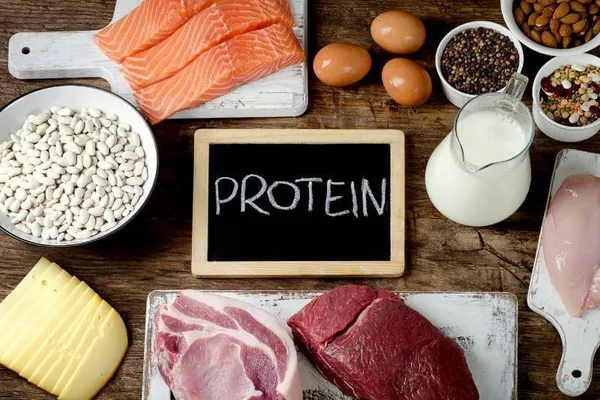
How can the meat protein calculator help you
Knowing the protein content of the meat you eat is important for several reasons:
Nutritional value and meal planning
Protein is an essential macronutrient that plays an important role in your bodily functions, including building and repairing tissues, producing enzymes and hormones, and promoting a strong immune system.
Muscle growth and maintenance
If you engage in regular physical activity or exercise, consuming an adequate amount of protein is vital for building and maintaining lean muscle mass. Meat is a complete source of high-quality protein, containing all the essential amino acids necessary for muscle growth and recovery.
Weight management
Protein has a satiating effect that can help you feel fuller for longer, which can help with control appetite and reducing your calorie intake.
Dietary preferences and restrictions
Depending on your dietary preferences or restrictions, such as following a diet that advocates a higher protein intake (i.e., ketogenic diets) or lower intake (i.e., people with kidney issues), understanding how many grams of protein in different meats can help you make informed choices and better plan your meals.
Nutrient density
Different types of meat vary in their nutrient density, meaning they contain varying amounts of essential vitamins, minerals, and other beneficial compounds. By understanding the protein content, you can also gauge the overall nutritional value of the meat you're consuming.
Portion control
Knowing the protein content of different meats can assist in proper portion control. This information can help you determine appropriate serving sizes, preventing overconsumption or underconsumption of protein, which can have implications for your overall health goals.
Food tracking
If you're tracking your macronutrient intake, then knowing the amount of protein in the meat you're consuming can help you accurately record your protein intake and make adjustments to your diet as needed.
By being aware of the protein content in different types of meat, you can make more informed choices, plan balanced meals, and ensure that your protein intake aligns with your individual health and fitness goals.
Difference in protein between raw and cooked meat
As you use the meat protein calculator on this page, you might notice that cooked meat has a higher amount of protein than the same weight in raw meat. This is because when cooked, meat loses its moisture and the proportional amount of protein relative to its final cooked weight is now higher (more concentrated).
Additional reading and resources
- US Department of Agriculture: Agricultural Research Service. Food Data Central
- The Golden Egg: Nutritional Value, Bioactivities, and Emerging Benefits for Human Health
- Role of poultry meat in a balanced diet aimed at maintaining health and wellbeing
- A critical review on the health benefits of fish consumption and its bioactive constituents
- Benefits and Risks Associated with Meat Consumption during Key Life Processes and in Relation to the Risk of Chronic Diseases
